Everything British, American and international families need to know about Spanish nursery care for under-3s — public escuela infantil, concertada subsidised, private guarderia, the bono infantil regional grants, documents and the March-May enrolment window.
Get a Family Health Insurance Quote WhatsApp Our TeamIn Spain, formal education starts at age 3 with the second cycle of educacion infantil, which is free and offered inside ordinary primary schools. Care for children aged 0 to 3 is the primer ciclo de educacion infantil and it is a different system entirely — not compulsory, often charged for, and managed by a confusing mix of regional governments, town halls and private operators. The Ministerio de Educacion, Formacion Profesional y Deportes ↗ sets the framework but every autonomous community runs its own enrolment.
There are three main types of provider. Escuela infantil publica is council or region-run, income-tested and the cheapest option, but places are scarce and oversubscribed. Centros concertados are private nurseries that receive a public concierto subsidy in exchange for capped fees. Guarderias privadas are fully private and set their own prices — typically 350 to 650 a month.
The big change in recent years has been the rollout of the universal plaza gratuita for ages 2-3 in many regions (notably Madrid, Andalucia, Galicia and Valencia), funded partly by the central government. Together with the bono infantil regional grants for younger children, the real cost of nursery for expat families has fallen sharply — but only if you know how to apply.
Guarderia rules look opaque from outside Spain, but they boil down to a handful of decisions. Get these right and you will save thousands of euros across the 0-3 years.
Run by the regional consejeria or the ayuntamiento. Fees are income-tested using your previous year's renta (tax return), often ranging from 0 to 350/month. Quality is high, ratios are regulated, but places are very limited and zoning rules apply just like primary school.
Private nurseries that have signed a concierto or convenio with the region. They charge capped monthly fees (typically 150-300) and follow the public points system. Increasingly common in Madrid, Catalunya and Valencia as a way to expand public places without building new schools.
Fully fee-paying, with rolling admissions and no zoning. Prices vary by city — expect 350-500/month in Andalucia and the coast, 450-650 in Madrid and Barcelona. International, Montessori and bilingual nurseries sit at the top end. Most accept babies from 4 months.
Several regions pay a monthly grant — the bono infantil or cheque guarderia — directly to participating nurseries on your behalf. For 2-year-olds, many regions now offer a fully gratuita place at any participating centre as part of the EU-funded expansion of early-years education.
Public and concertada fees are scaled to family income, calculated from your previous year's tax return (the declaracion de la renta). New arrivals with no Spanish renta can usually self-declare income and provide foreign tax returns. Bring everything translated.
Just like primary school, almost every public guarderia uses zoning. Your certificado de empadronamiento address determines which schools you get the highest priority for. Register on the padron the week you move in — it is the single biggest lever you have.
Document lists vary slightly by region and provider, but the core pack is the same everywhere. Start gathering at least eight weeks before the enrolment window opens — sworn translations and apostilles take time.
The pattern is depressingly consistent every spring. These are the mistakes that lose families their first-choice nursery — or push them into a 600-a-month private place when a free or near-free option was available.
Early-years education is fully devolved. Apply through the right consejeria portal for your area. Most accept online applications using cl@ve, a digital certificate or DNI electronico; if you do not yet have any of those, in-person enrolment at the nursery itself is always available.
Nursery enrolment forms always ask about health cover. Children in guarderias catch every bug going for the first 18 months, and you want bilingual paediatric care on demand — not a four-hour wait in a Spanish A&E with a feverish toddler.
We are fully authorised by Spain's insurance regulator, the Direccion General de Seguros y Fondos de Pensiones.
Policy wording, claims and renewals — all handled in plain English by people who actually live in Spain.
We answer when you need us — weekends and bank holidays included. Toddler illnesses do not respect office hours.
Paediatrician visits, vaccinations and 24-hour helplines — structured for the families with babies and toddlers in nursery.
No copay, full repatriation, no waiting periods — the exact spec consulates demand for NLV, student and family reunification visas.
We compare Sanitas, Caser and more — no jargon, no hidden exclusions, no surprise renewal hikes.
Settling a young family in Spain is more than nursery enrolment. Make sure the rest of your cover is in order.

Paediatric cover, dental, maternity and visa-compliant policies for expat families.
Read the guide ›
Building, contents, liability and legal cover for the family home.
Read the guide ›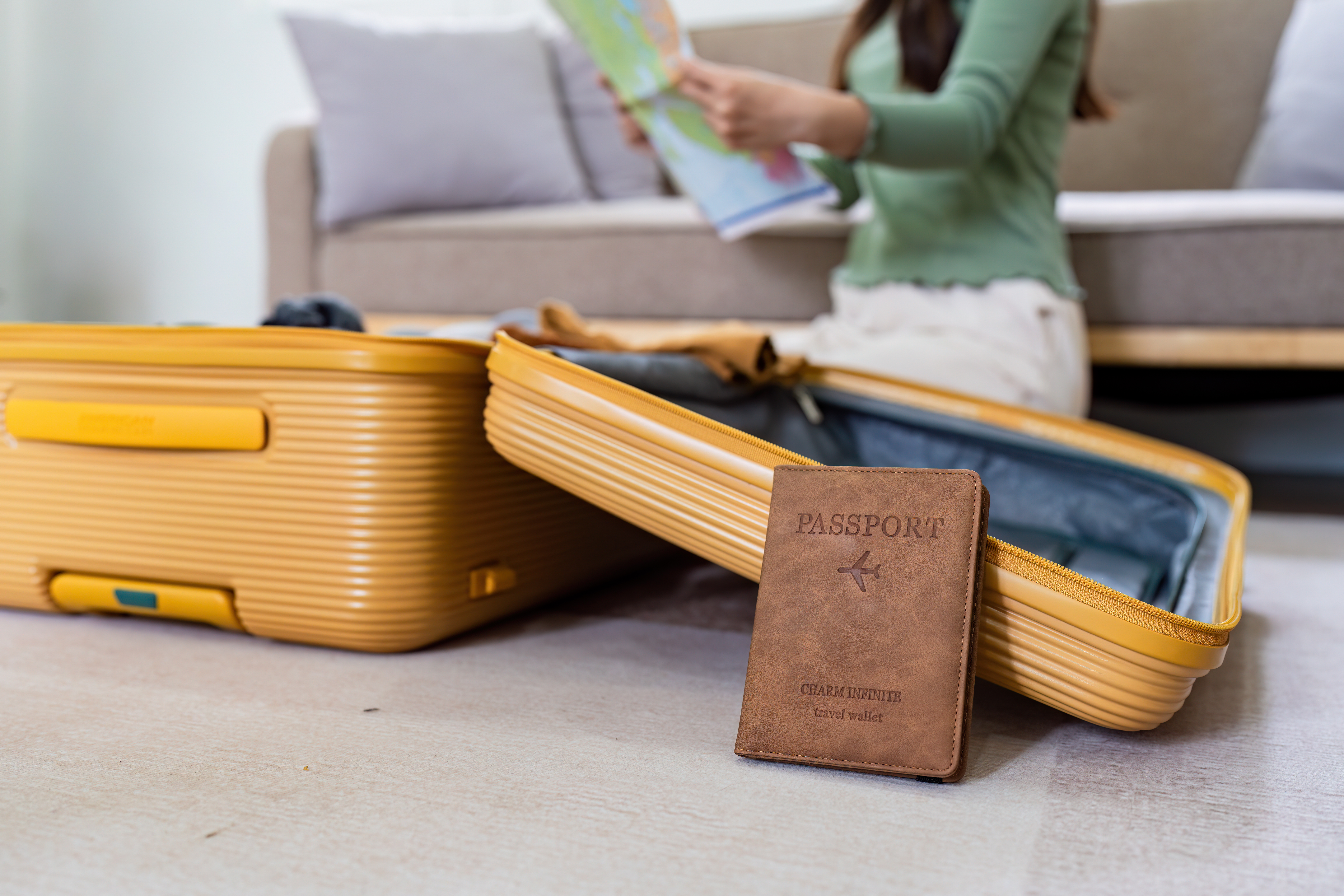
School trips, half-terms back home and EU travel from your Spanish base.
Read the guide ›Other essential reading for expat families with young children in Spain:
While you're sorting guarderias, padron and the bono infantil, make sure your family is properly insured. Get a family health insurance quote — we'll compare Sanitas, Caser and more, and explain everything in English. DGSFP-registered, 7 days a week.
Get a Family Health Insurance Quote