The Spanish fianza is your rental deposit — and Spanish law gives the landlord a strict 30-day deadline to return it after you move out. In practice, expats lose deposits every week to vague damage claims, missing photo evidence, or simply not knowing the regional deposit board route. Here is exactly how the system works — and how to get your money back.
DGSFP-registered • English-speaking • 7 days a weekThe basics
The fianza is the compulsory security deposit a tenant lodges with a landlord at the start of a rental contract. It is regulated nationally by Spain's Ley de Arrendamientos Urbanos (LAU) — the Urban Tenancies Act of 1994 — and it is paid in addition to any first month's rent or extra guarantee (garantía adicional) the landlord asks for.
Under Article 36 of the LAU, the fianza is fixed at one month's rent for a residential lease (arrendamiento de vivienda) and two months' rent for non-residential leases. It is held by the landlord — but in most autonomous communities the landlord is legally required to deposit it with the regional housing board, such as INCASÒL in Catalonia or the housing agency under Comunidad de Madrid's vivienda department.
When the contract ends, the landlord has 30 days from the date the keys are returned to give you the fianza back. If they delay beyond that, Article 36.4 LAU obliges them to pay you the deposit with statutory interest — and you have a clear small-claims route, the juicio verbal, to recover it.
How the fianza works
The fianza is one of the most heavily regulated parts of Spanish renting — but most landlords and tenants only know half the rules. These six facts cover everything from how the deposit is held to what your landlord can legally subtract before refunding you.
In Catalonia (INCASÒL), Madrid, Valencia, Andalusia, the Balearics, and most other regions, the landlord must lodge the fianza with the regional housing fund (fondo de fianza) within 30 days of signing. Ask for the receipt.
Article 36.1 LAU caps the fianza at one month's rent for housing and two months' for non-residential use. Anything the landlord asks beyond that is an additional guarantee — and is also returnable.
Article 36.4 LAU: the refund deadline runs from the date you physically return the keys — not the end of the contract. After 30 days, the unpaid balance accrues interés legal del dinero automatically.
The landlord can deduct unpaid rent, unpaid utility bills already in their name, and the cost of repairing damage beyond normal wear and tear. Each deduction must be documented with invoices or receipts.
If you rent from a non-resident landlord, you legally retain 19% (EU/EEA) or 24% (non-EU) of the rent for Hacienda using Form 216. That is income tax — it does not come out of your fianza, and the deposit must still come back in full.
For disputes under €6,000 (the typical deposit), the juicio verbal at the local Juzgado de Primera Instancia is fast, cheap, and tenant-friendly. Under €2,000 you do not need a lawyer.
Your move-out playbook
Most deposit disputes are won or lost on documentation. Follow these eight steps in order and you give yourself the maximum chance of a clean refund — and if it does end up in court, you arrive with the evidence already on file.
Watch out for these
Most deposit disputes we see are entirely preventable. These are the six most frequent — and most costly — mistakes English-speaking tenants make when leaving a Spanish flat.
If you cannot prove the date you returned the keys, you cannot prove the landlord is in breach of the 30-day rule. A simple signed acta de entrega de llaves — even a printed email both parties acknowledge — fixes the timeline in law.
"The wall needed painting" is not a deduction — it is an opinion. The landlord must show a real factura from a tradesperson and explain why the damage goes beyond normal wear and tear. Without proof, the fianza must come back in full.
The fianza is not rent. If you stop paying the last month claiming the deposit covers it, the landlord can sue you for arrears separately while still withholding the fianza. Pay the rent, and recover the deposit through the legal route.
Many landlords now require one or two extra months on top of the legal fianza. That is an additional guarantee — also returnable, but governed by the contract terms rather than the LAU's 30-day rule. Read the clause before signing.
If you give the landlord a foreign IBAN and a forwarding email, you can absolutely chase the deposit from abroad — but most expats lose contact and the money quietly disappears. Keep a Spanish friend, gestor, or lawyer in the loop with a power of attorney if needed.
If the landlord actually lodged your fianza with INCASÒL, Madrid's housing agency, or the Valencian or Andalusian fund, you can in many cases apply for return directly. Always ask for the lodgement receipt at the start of the lease.
Why expat tenants choose us
We do not pursue your fianza for you — that is your lawyer or gestor's job — but we do put the tenant insurance in place that prevents fianza disputes in the first place. Accidental damage cover, civil liability, and contents protection mean the landlord has no reason to withhold.
Your tenant policy, your renewal, your claim — all handled in plain English. No Spanish-only documents you cannot interpret when you are mid-dispute with a landlord.
Fully authorised under Spain's insurance regulator. You get the legal protections and accountability that come with a properly registered intermediary — not a comparison-site middleman.
Long-term lets, shared flats, furnished apartments, expat couples, digital nomads — we know the rental situations English-speakers in Spain actually face.
Phone, WhatsApp, and email — Monday to Sunday. If a pipe bursts in your Spanish rental on a Saturday night, we are still here to take the call.
We are not tied to a landlord agency or a Spanish bank. We recommend tenant cover that actually protects you — including legal expenses for deposit disputes.
If something goes wrong in the rental — damage, theft, third-party liability — we guide you through the Spanish claims process from first notification to settlement, end-to-end.
Common questions
These are the questions we hear most often from expat tenants chasing a deposit back from a Spanish landlord. If yours is not listed, call or WhatsApp our English-speaking team — 7 days a week.
Article 36.4 of the Ley de Arrendamientos Urbanos (LAU) gives the landlord 30 days from the day the keys are returned to refund the fianza. After 30 days, the unpaid balance automatically generates statutory interest (interés legal del dinero) until paid.
That deadline runs from the physical return of the keys, not from the contract end date — which is why a written acta de entrega de llaves is so important.
Only three categories: (1) unpaid rent, (2) unpaid utility or community bills that are in the landlord's name, and (3) the cost of repairing damage that goes beyond normal wear and tear. Every deduction must be documented — typically with an invoice (factura) from a tradesperson.
Repainting a flat between tenants, replacing curtains that have aged naturally, or general cleaning are normally not deductible — they are part of the landlord's running costs.
Spanish courts apply the principle of desgaste por uso normal — the ordinary deterioration of a property used as a home. Small marks on walls, lightly worn floors, slightly faded paint, and ordinary use of furniture are all considered normal. Major scratches, holes, stained mattresses, broken appliances through misuse, or missing items are not.
The longer you lived there, the wider the wear-and-tear concept becomes — a five-year tenancy almost always means repainting falls on the landlord.
For amounts up to €6,000 — which covers virtually every residential fianza — you use the small-claims juicio verbal at the Juzgado de Primera Instancia for the area where the property is located. Forms are available at the Poder Judicial website or directly at the courthouse's Decanato.
For claims under €2,000 you do not need a lawyer (abogado) or court agent (procurador). Above that, you do. Court fees are modest, and the procedure typically takes 4–8 months to a hearing.
The 30-day rule still applies — the LAU does not care where the landlord lives. However, you should already be retaining 19% (EU/EEA landlords) or 24% (non-EU landlords) of each rent payment using Form 216 and paying it to Hacienda on the landlord's behalf. That IRPF retention is income tax, not part of the fianza, and cannot be netted off against your deposit.
If a non-resident landlord refuses to refund, the juicio verbal route still works because the property is in Spain and Spanish courts have jurisdiction.
No. The fianza is a guarantee, not a rent payment. Spanish case law is very consistent on this — if you stop paying the last month and tell the landlord to "use the deposit," you can be sued separately for rent arrears, while the landlord still legally withholds the fianza pending the move-out inspection.
Always pay every month's rent in full and recover the fianza through Article 36 LAU and, if needed, the juicio verbal.
Yes — keep the lodgement receipt safely. In Catalonia, the landlord requests the return from INCASÒL once the lease ends, and in many cases the tenant can also apply directly if the landlord refuses to act. The Comunidad de Madrid's housing service operates a similar fianza fund.
Consumer organisation OCU publishes regularly updated model claim letters for each regional board.
Stop the dispute before it starts
Most deposit disputes happen because of damage. Tenant insurance pays for accidental breakages, water leaks, and third-party harm — so the landlord has no reason to dip into your fianza.
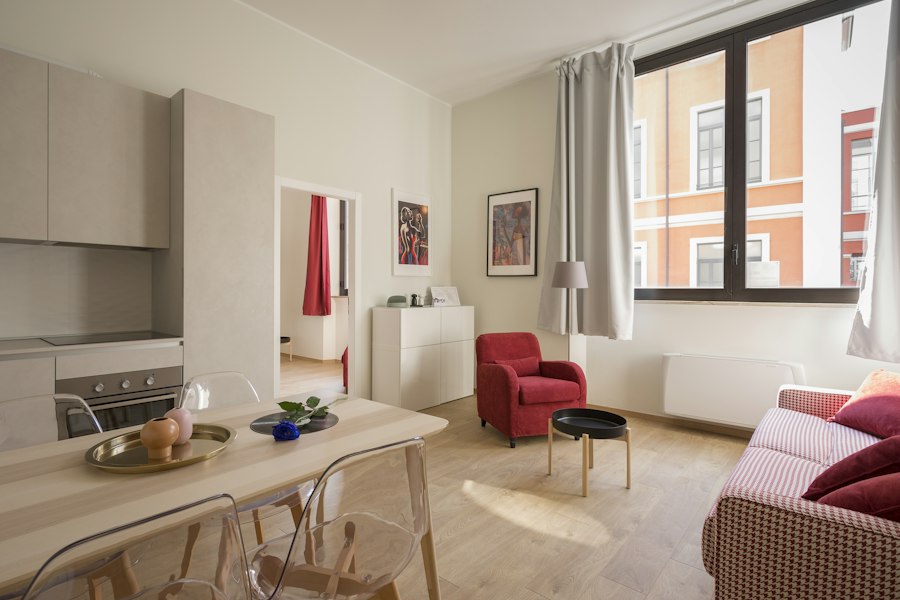
Contents, accidental damage to the landlord's fittings, civil liability, and legal expenses — designed for expat renters and explained in English.
Get a quote →
Cover for your laptop, furniture, electronics, and personal effects in a rented Spanish flat — including theft and water damage from upstairs neighbours.
Get a quote →
Covers tenant-side legal fees if you have to take a Spanish landlord to court — including juicio verbal proceedings for deposit recovery.
Get a quote →